Saturday, August 15, 2026

Our Three Grandsons

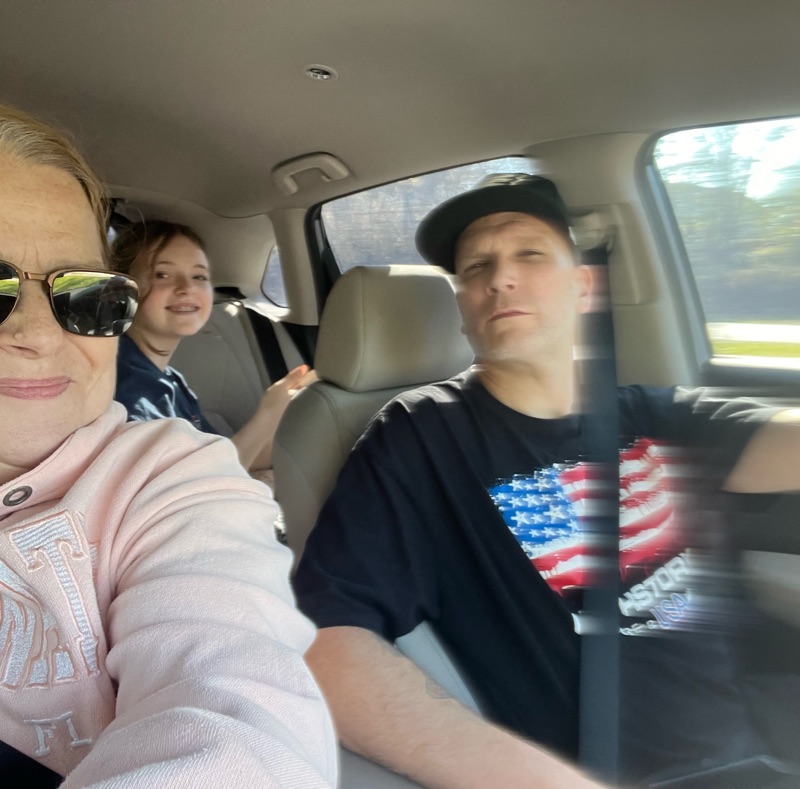
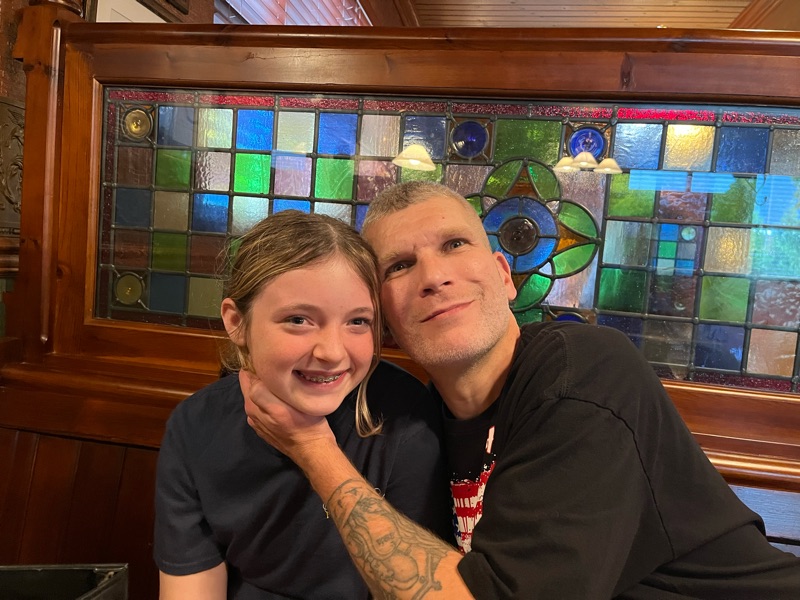
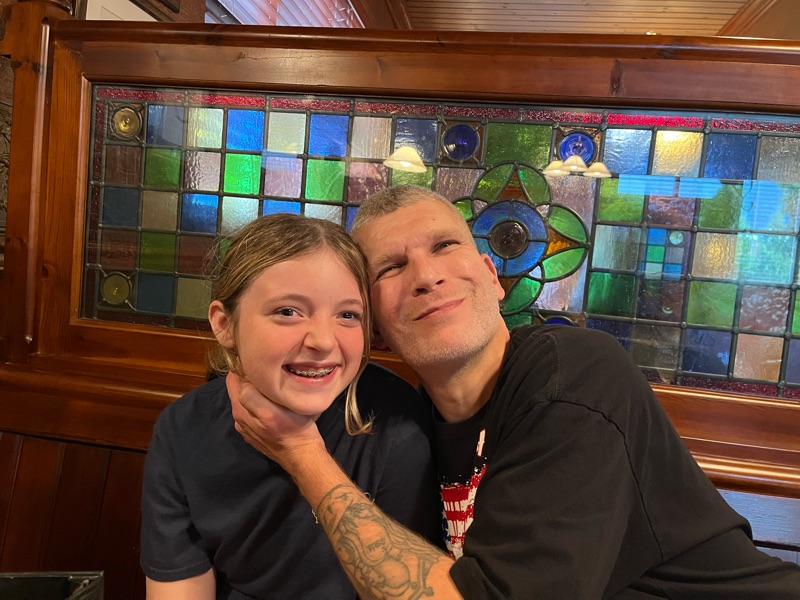
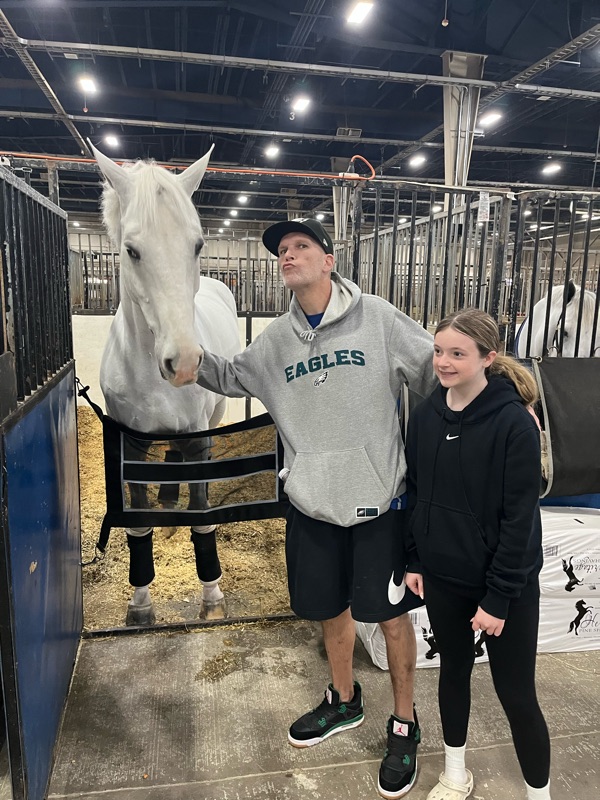
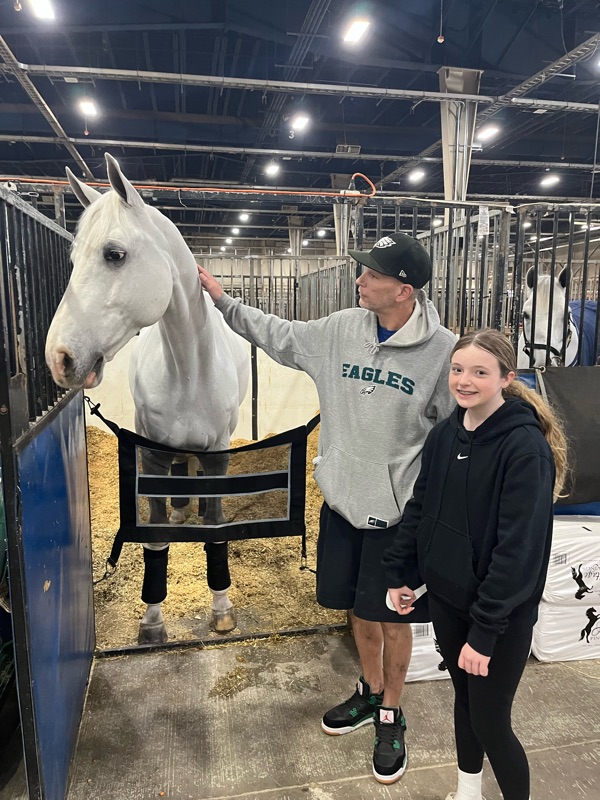
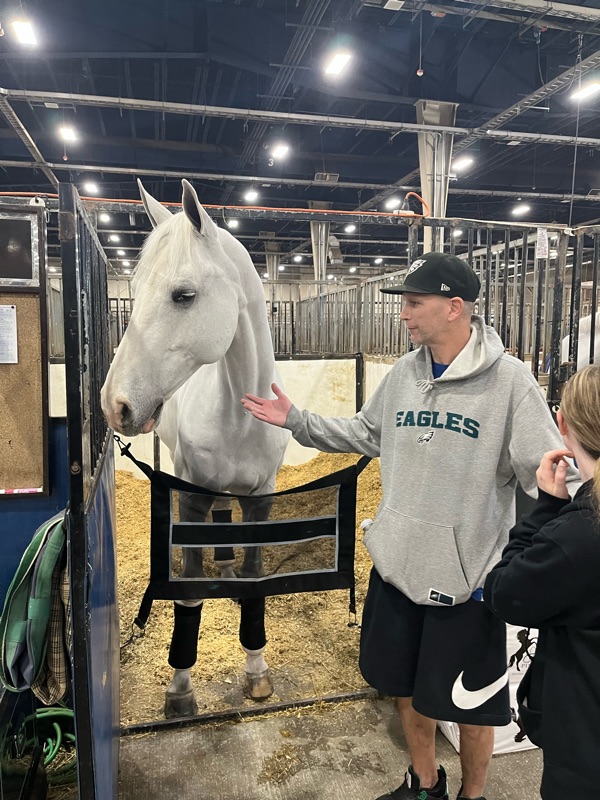
Spending time with all three of my grandsons to celebrate my oldest grandson’s birthday is priceless. Shaun-Nikolas-Lukas

Celebrating 25 Years


Friday, August 14, 2026

Happy 25th Birthday, Shaun!

Happy 25th Birthday, Shaun! It feels like just yesterday I was holding you in my arms for the first time, and now you are a wonderful man building a great life, working hard, and sharing it with Alexia. As my oldest grandson, you’ve brought so much joy to our family. I love you, and I can’t wait to celebrate with you this Saturday!


Thursday, August 13, 2026

Finding My Voice

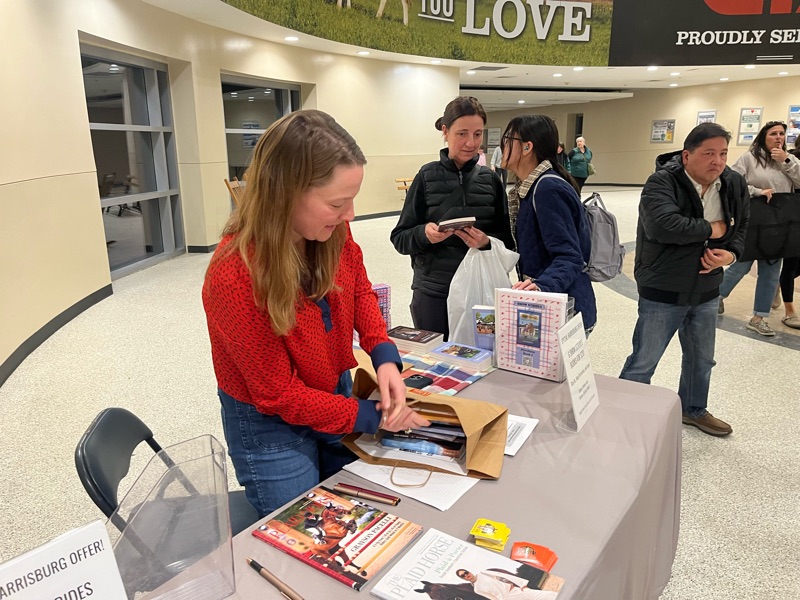
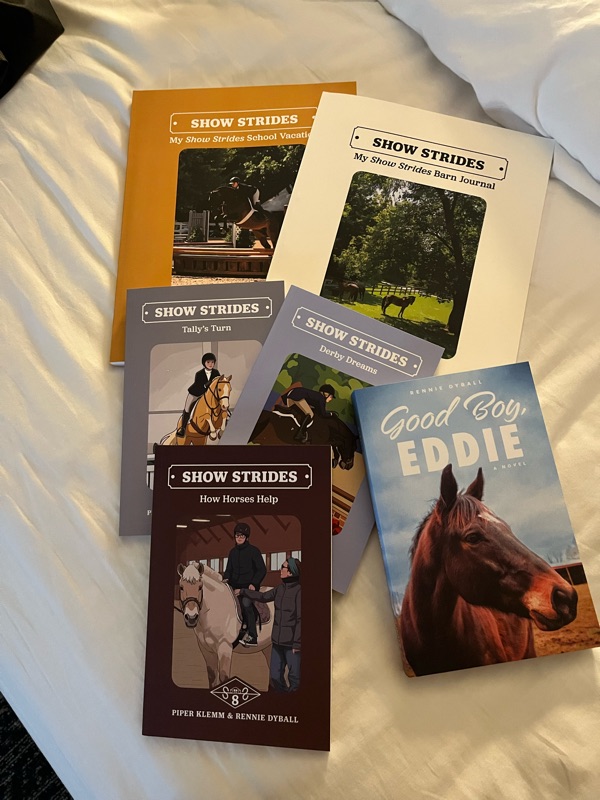
I spent the last 18 months writing a book, which went to print a few months ago. I now have the hardback copy in my hands and hope to have it published on Amazon soon. In the meantime, I thought this would be a great place to share a few previews.
Over the last 36 years, I have written extensively about my family history, and I will continue to research and write on that topic. However, this particular book is a deeply personal journey. It not only incorporates genealogy but also provides a meaningful forum for me to share my own voice. 
“Finding my voice; a personal journey”
For the last thirty-five years I have researched my family’s history. I read ship records, birth and death certificates, immigration records, and church and cemetery records. I have always been interested in history, but it was not until that day in 1990, when I sat across the table from my grandmother at a local restaurant, that I decided I wanted to know more about those ancestors who came before me.
My grandmother and I had a very close relationship. It was under her roof that I came to live immediately after my birth on February 14, 1960. When my mother remarried in 1963, I returned to her house on Ridge Avenue and spent many overnight stays. Growing up, we always lived within walking distance of my grandparents’ house. If I felt sad, lonely or upset, it was my grandparents I sought for comfort.
That afternoon in May of 1990, I was thirty years old, married and the mother of three sons. My grandmother had been in remission from non-Hodgkin’s lymphoma after completing chemotherapy earlier that year. As we sat in the restaurant, she began to speak about her family. She told me her mother died suddenly when she was three, in the summer of 1915, and shortly thereafter she was raised by grandparents then by an aunt. She said she did not remember what her mother looked like and had never been given a photograph. Her parents were immigrants from Ireland and in their culture, they did not believe in keeping pictures of deceased family members around the house. As a result, my grandmother grew up not knowing what her mother looked like, which I always thought was heartbreaking. Her father provided financial support but left the day to day childbearing to others. He died in the summer of 1930.
As she spike, I noticed she had a cough, and I wondered silently if the cancer had returned. A few days later our fear became reality: the cancer came back, more aggressive than before. She died on a hot humid night on July 30, 1990. Shortly thereafter my journey into the past began, and what a journey it had been.
The funny thing about genealogy is that when you think you are researching a particular person, you are really researching the times in which they lived. You learn where they lived, prayed and worked; how many marriages or children they had; what their level of education was; whether they owned or rented their house; who their neighbors were. You learn about epidemics, how they traveled-by foot, horse, carriage, automobile or ship-and all the details that place them in a world distinct from ours. One discovery leads to another, and you fall down a rabbit hole of stories, documents and context.
I felt a thrill when I discovered that both my paternal and maternal grandparents had once lived in the very same house. (3907 Ridge Ave) My paternal great grandparents had sold the house to my maternal grandparents years before my parents began dating. Both my paternal and maternal great grandfathers fought in the Civil War for the North. A maternal first cousin fought and died with Custer (under Reno) at the Battle of Little Bighorn.( He is written about in history books) My greatest find was that Benjamin Franklin is a direct ancestor on my paternal side.
Who we are today is the sum of all those who came before us. Fast forward to 2025: I will be celebrating my sixty-fifth birthday in a few weeks. Though my family has a pretty good idea of who I might be, I do not believe they truly know me. How could they? As human beings, we all go about our lives wearing a mask, allowing others to see only what we choose to reveal. Depending on our journey, that mask may be loosely or tightly affixed for many reasons. Do we fear being judged or rejected?Did we learn to have a voice or were we shut down as children? Were we permitted to express our emotions openly? Did we feel loved and nurtured? 
Writing this book has become a journey in love for myself: an act of acceptance for who I am and the roads I have traveled. It has given me permission to have my own voice, to say freely what I think and feel. I have traveled one hell of a road in sixty-five years, and I welcome you to enjoy the ride with me.

Sunday, August 09, 2026

Cathedral Cemetery and Our Mother of Sorrows Catholic Church


 Anyone who knows me knows that I have researched my family’s history for the last 35 years. By a striking coincidence, my recent interest in Cathedral Cemetery—located at 1032 N. 48th Street (Lancaster & Girard Ave)—led me to the very church where my 2x great-grandparents were married in 1884. In 1849, Bishop Francis Kenrick purchased 45 acres of farmland to build a Catholic cemetery for the influx of Irish and German Catholic immigrants who had recently made Philadelphia their home. The plan was to sell burial plots and use the proceeds to fund the building of the Cathedral Basilica of Saints Peter and Paul at Logan Square. At the time, a priest from the nearby St. John’s Orphan Asylum used to say Sunday Mass at the asylum for the orphaned boys and local residents. Noticing that the cemetery's gravediggers were unable to attend, he decided to convert a tool shed inside the cemetery into a makeshift chapel so he could say Mass for them. He called this chapel St. George. Over time, the little tool-shed chapel became so crowded that church leadership determined a proper church needed to be built. Consequently, Our Mother of Sorrows (Our Lady of Sorrows) was constructed in 1870 at the head of the cemetery. Bill and I research and photograph different places of interest, and I write their historical backgrounds. When we set out today, our primary interest was simply exploring the old cemetery. However, while driving through the grounds, we couldn't help but notice the two enormous spires atop the twin towers on both sides of the church building. I immediately hopped out of the car to take in the magnificent sight. Although the church closed its doors in 2017 after merging with St. Ignatius, the school remained open until the end of the school year in 2026. When I discovered the name of the church, I remembered that a set of my direct ancestors had been married in a church with a very similar name. As soon as I got home, I went back into my notes, and there it was in black and white: my paternal 2x great-grandparents were married in that exact church in 1884. At the time of Alexander Mervine and Maryann Hughes' marriage, Alexander lived on 61st Street and worked as a “mutton butcher.”Cathedral Cemetery (or Old Cathedral Cemetery) contains some fascinating headstones and holds about 300,000 burials, though many plots lack stones or grave markers of any kind. Notably, 50 members of the 69th Pennsylvania Infantry from the Civil War are interred in its grounds; the 69th famously fought at the Battle of Gettysburg. Alexander himself was a member of the 68th Pennsylvania Infantry. When Maryann died, she was buried in a Catholic cemetery in Camden, New Jersey. When Alexander passed away a few years later, he was buried in Odd Fellows Cemetery, which was located at 22nd and Diamond Street. However, Odd Fellows was closed in 1951 when the Philadelphia Housing Authority acquired the land to build the Raymond Rosen housing project. They moved and reinterred the bodies elsewhere. Through my earlier research on Alexander Mervine, I discovered that his remains were relocated to Lawnview Cemetery in Rockledge and interred in a mass grave with others from Odd Fellows.